
September 3, 2025
Punjabi Pehchan / Ludhiana
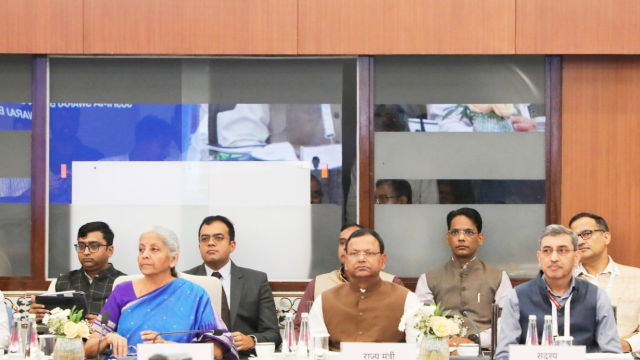
In one of the most sweeping changes to India’s indirect tax regime since its launch in 2017, the Goods and Services Tax (GST) Council, chaired by Union Finance Minister Nirmala Sitharaman, has approved a series of reforms that will come into effect from September 22, 2025.
The decisions, described as part of “Next-Generation GST Reforms” announced by Prime Minister Narendra Modi in his Independence Day address, are aimed at easing the burden on the common man, supporting small businesses, and simplifying the tax structure.
Insurance to Become More Affordable
A landmark decision was the complete exemption of GST on life and health insurance policies. This covers term life, ULIPs, endowment policies, as well as individual and family health plans, including those for senior citizens. The Council said this measure is expected to improve insurance penetration and make coverage more affordable for households across the country.
Simplified Tax Structure
The current four-tier GST rate system will be replaced by a two-rate structure: a standard 18% rate and a merit rate of 5%. A special demerit rate of 40% will continue to apply on select products such as tobacco and pan masala.
Relief on Household and Food Items
Several everyday essentials will now attract lower taxes.
- GST reduced to 5% on items like hair oil, soaps, shampoos, toothpaste, toothbrushes, bicycles, and tableware.
- Zero tax on UHT milk, paneer, chena, and Indian breads such as chapati, paratha, and parotta.
- Packaged foods including namkeens, sauces, noodles, chocolates, butter, ghee, and coffee will now fall under the 5% slab.
Boost for Healthcare
The healthcare sector has been given substantial relief.
- 33 lifesaving medicines will now be tax-free, along with three more used in cancer and rare disease treatment.
- GST on other medicines has been cut from 12% to 5%.
- Medical equipment such as glucometers, diagnostic kits, bandages, and surgical tools will also see taxes reduced to 5%.
Support for Farmers and Labour-Intensive Sectors
Agriculture machinery, including tractors and threshers, will now attract just 5% GST instead of 12%. Similar reductions apply to handicrafts, marble, granite blocks, and intermediate leather goods.
The textile sector will benefit from the correction of the inverted duty structure, with GST on manmade fibre cut to 5% (from 18%) and yarn to 5% (from 12%). Fertilizer inputs such as sulphuric acid and ammonia will also be taxed at 5% instead of 18%.
Vehicles and Infrastructure
GST on small cars and motorcycles up to 350cc has been reduced from 28% to 18%. Rates on buses, trucks, and ambulances have also been lowered to 18%, while auto parts will now carry a uniform 18% rate.
Cement, a key construction input, will see a tax reduction from 28% to 18%, a move expected to ease infrastructure costs.
Other Services Made Cheaper
Hotel accommodation under ₹7,500 per night will now attract only 5% GST, compared to the earlier 12%. Wellness services such as salons, gyms, yoga centres, and barber shops will also see a reduced rate of 5%, down from 18%. Renewable energy devices and parts for their manufacture will now be taxed at 5%.
Implementation Timeline
The changes will take effect from September 22, 2025, for all goods and services except tobacco, pan masala, and related products, which will continue under the existing structure until cess-related obligations are cleared.
For complete list of changes in the tax slabs and the goods , services whose GST rates will change from September 22nd, refer to the following link : -
https://www.pib.gov.in/PressReleasePage.aspx?PRID=2163555
Powered by Froala Editor
GST Reforms 2025 GST Rate Cuts India GST Council Meeting Insurance Tax Exemption Cheaper Medicines GST On Food Items GST New Rates